
How Are Cataracts Typically Treated? | Vision Source
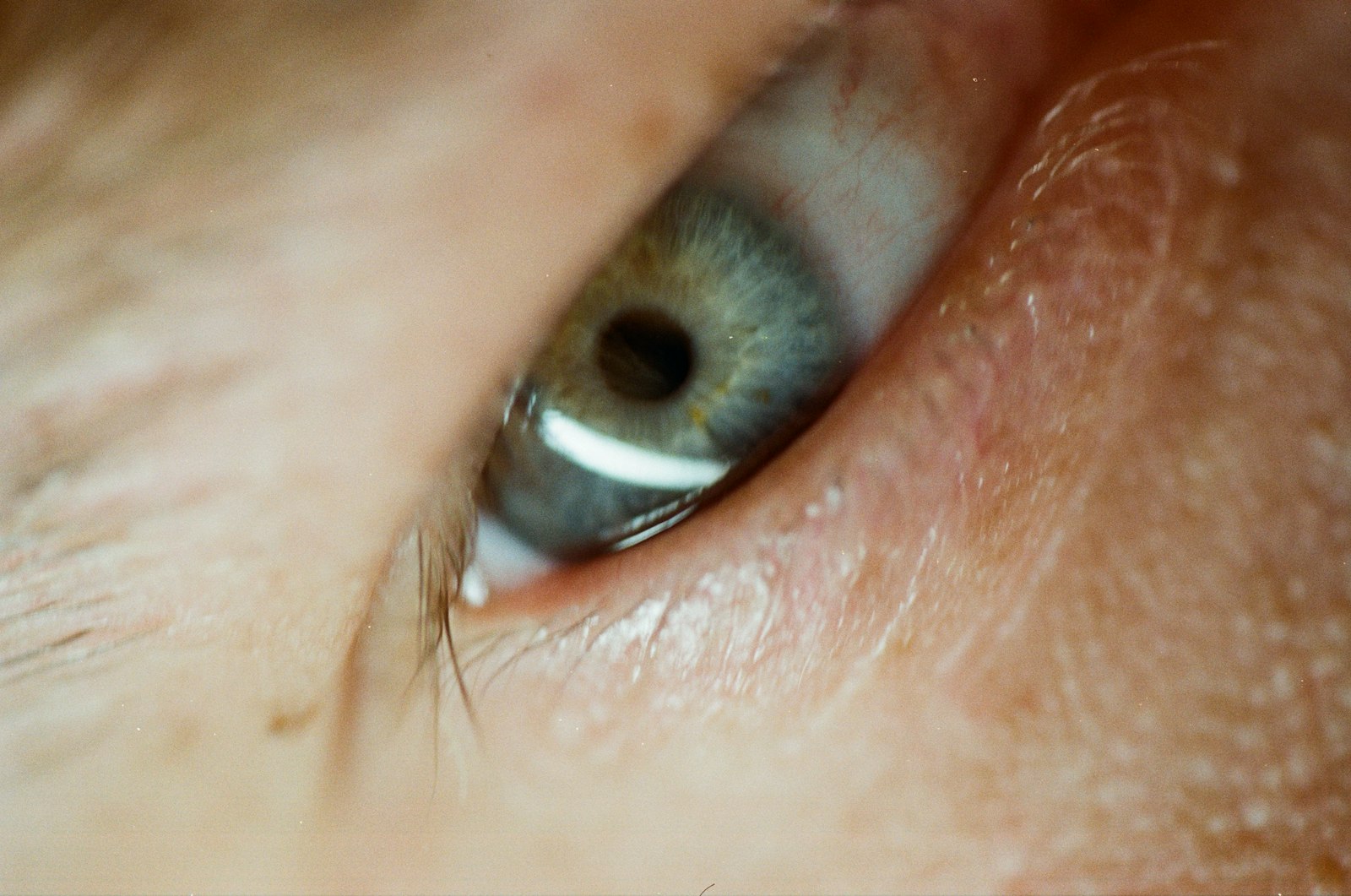
If you think you may be developing cataracts, please contact your medical professional.
As discussed in a previous post, cataracts are cloudy areas on the lens of the inside of the eye, which normally allow clear and focused eyesight. When they develop, cataracts leave our eyesight blurry or dimmed.
In some cases cataracts can cause vision loss from the clouded lens. These situations demand medical treatment in order to regain clear vision.
Cataract Surgery
Cataract surgery is a common procedure that removes the clouded lens from the eye, making your vision clear. Once the lens is removed, your ophthalmologist can replace the lens with an artificial lens called an intraocular lens implant (IOL).
Typically the surgery recovery will be fully complete after a few weeks. If you have cataracts in both eyes, most optometrists recommend waiting at least a month between surgeries.
More on IOLs
IOLs are artificial lenses that provide a clearer vision for distance vision, near vision, or both.
When considering IOL replacement there are a few different types that are available. The two most common are, Monofocal and Multifocal IOLs.
- Monofocal IOLs. The lens is shaped to provide clear vision in just one range of vision, either distance or near. Patients often end up wearing glasses for near vision, but it’s not uncommon that some patients request an IOL for near vision, and end up using glasses for distance vision.
- Multifocal IOLs. This lens provides clear vision for both distance and near vision.
When considering cataract surgery make sure to go over the different types of lens replacement options with your doctor in order to choose the right match for you.
Other Treatment Options
Although surgery is the most effective way to get rid of cataracts, there are other options for those individuals who either don’t want or don’t need the surgery.
Years ago, cataract glasses were the only option for patients with cataracts. Although they aren’t as popular today, patients who don't yet need the surgery can opt for cataract glasses. Cataract glasses are made of thick magnifying glass.
Preventing Cataracts
At present, there is no scientifically proven way to prevent cataracts. But there are some things you can do to lower your risk factors. Check out our previous blog post about cataract prevention to learn more.
If you or someone you know is currently dealing with cataracts, visit your optometrist as soon as possible to see if cataract surgery is the right procedure for you. Click here to find an eye doctor near you.
Helpful Articles
All Eye Care Services
Find personalized eye care excellence with our comprehensive services. From eye exams to advanced diagnostics, trust us for all your vision needs.

Keep In Touch
For non-urgent questions or to learn more about our services, contact us today!
© 2026 Main Street Optometry Pinckney. All rights Reserved - Accessibility Statement - Privacy Policy - Sitemap
Managed and Designed by 