
4 Signs That Your Child May Need Glasses
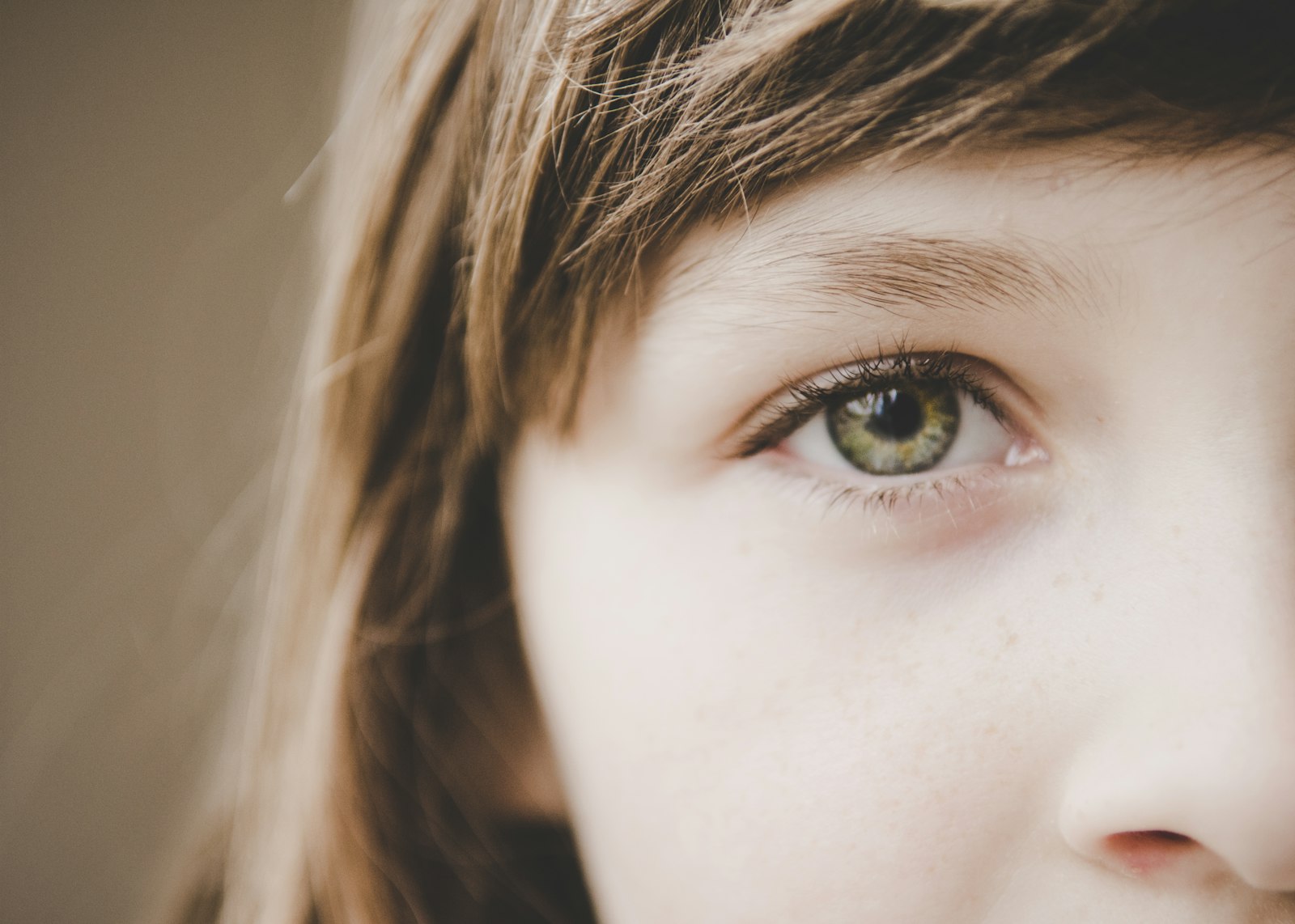
Sometimes it isn’t easy to know when your child’s vision is impaired. After all, we can’t see through their eyes.
Children often do not know that their vision is blurry! It makes sense when you think about it—it’s all they’ve every known! When some parents learn that their child has probably needed glasses for a long time, certain other related problems come into clarity—such as low grades, frustration, misbehavior, or reading struggles. As a parent, it can be hard to connect the dots, and to attribute some of these things to poor vision. It just isn’t on the top of your mind.
4 Common Signs Of Vision Impairment In Children
1. Tripping Or Bumping Into Objects
Children with vision impairments can be mistaken as clumsy. If your child runs into corners and objects that other people don’t run into, it may be a sign that they’re not seeing as well as they should.
2. Frequent Headaches Or Squinting
Does your child squint often or complain of frequent headaches? Does she rub her eyes frequently, hold her head in her hands often, or feel unexplainably nauseous?
3. Sitting Super Close To The TV Or Computer
Most children occasionally sit too close to the TV or computer. But if you’re noticing it as a habit, there may be a problem.
4. Trouble Reading
If your child has a hard time following along when you’re reading together it may be an indication that it’s time to visit with a Vision Source doctor!
Something Fun To Share With Children
Whether you have a child of your own, or have a friend, coworker, neighbor or family member with a child, share this fun little video with them. You may even want to order the book:
Help Keep Your Child’s Vision Healthy
Undiagnosed vision problems can cause your child to suffer emotionally, academically and socially. Although the four signs above may help, the only way to thoroughly check his or her vision is by visiting with us. Periodic school screenings aren’t as thorough, and can miss up to 60% of eye problems in children.
A Child’s Vision Is Too Precious Not To Protect
Children should receive their first exam between the age of 6–12 months. As they grow, even the healthiest eyes should be thoroughly examined every two years to be sure that they’re developing properly. To set up an appointment for your child, contact a Vision Source practice near you.
Top image by Flickr user Todd Dailey used under Creative Commons Attribution-Sharealike 4.0 license. Image cropped and modified from original.
Helpful Articles
All Eye Care Services
Find personalized eye care excellence with our comprehensive services. From eye exams to advanced diagnostics, trust us for all your vision needs.
Keep In Touch
For non-urgent questions or to learn more about our services, contact us today!
© 2026 Main Street Optometry Pinckney. All rights Reserved - Accessibility Statement - Privacy Policy - Sitemap
Managed and Designed by 